


The Building Blocks of Writing Start with Movement

Table of contents

A common question we get is 'what have you got to help my child with handwriting?' Before handing your child a pencil, it is important to focus on play-based activities that build the foundations for writing rather than writing itself. For children aged 3 years, the key areas are postural control, shoulder stability, hand strength, coordination, and sensory awareness.
Here are some activities and exercises you can do with your child to help them prepare for writing
Core Strength & Postural Control
Essential for sitting upright and freeing the hands for fine motor work
.jpg)
Why Posture Matters for Writing
Good posture helps children use their hands more easily. When children sit upright, they have better control of the pencil, get tired less quickly, and find it easier to stay on the lines and space their writing. Poor posture can make writing harder, messier, and more tiring than it needs to be.
-
Animal walks: bear walk, crab walk, frog jumps
-
Wheelbarrow walking (adult holds legs)
-
Rolling on the floor (log rolls, rolling to reach toys)
-
Sitting on a therapy ball while playing with toys
-
Climbing (playground, soft play, stairs with supervision)
Shoulder Stability & Upper Limb Strength
Supports hand control and endurance for future writing.
Strong, stable shoulders give children a steady base for hand and finger movements. When the shoulders are stable, the hand can move with better control, making writing neater and less tiring. Without this stability, children may press too hard, tire quickly, or struggle to form letters smoothly.
.jpg)
-
Crawling through tunnels
-
Pushing activities: pushing a heavy laundry basket or toy pram
-
Pulling games: tug-of-war with a towel
-
Wall activities:
-
Drawing on paper taped to the wall
-
Washing walls with a sponge
-
-
Throwing and catching large balls
Hand & Finger Strength (Fine Motor skills)
(Not pencil grip yet—just strength and coordination)
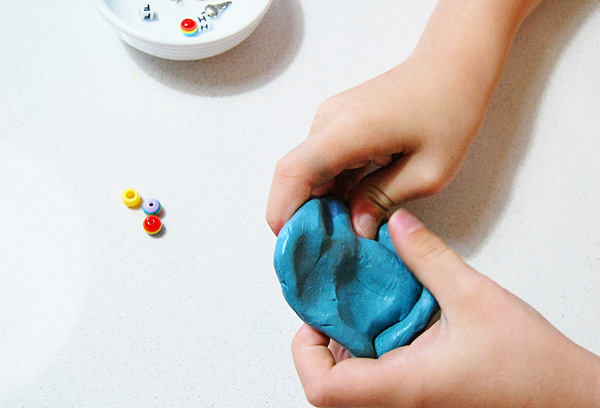
Fine motor skills let children control their fingers and hands to hold a pencil, form letters, and make precise movements. Strong fine motor skills make writing smoother, neater, and less tiring. Without them, children may struggle to grip the pencil, press too hard or too lightly, or have messy, uneven writing.
-
Playdough or putty: squeezing, rolling, poking
-
Peg games (large pegs or clothespins)
-
Tearing paper
-
Posting games (coins, shapes, or sticks into containers)
-
Squeezing sponges or stress balls
- Using Fine motor tools (tweezer, handy scoopers, droppers etc)
- Threading
Bilateral Coordination
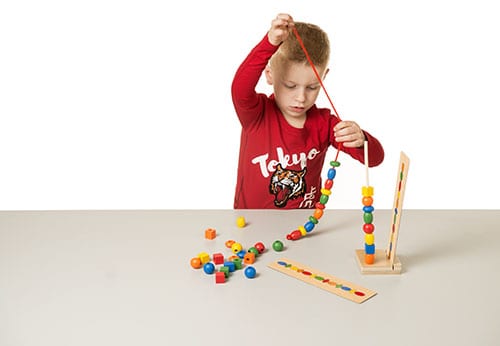
Bilateral coordination helps children use both hands together, one to hold the paper and the other to write, making writing smoother and more controlled.
-
Threading large beads
-
Opening containers
-
Catching and throwing with two hands
-
Building with blocks
-
Stirring, pouring, scooping during play or cooking
Eye-Hand Coordination
(Visual tracking and control of hand movements)
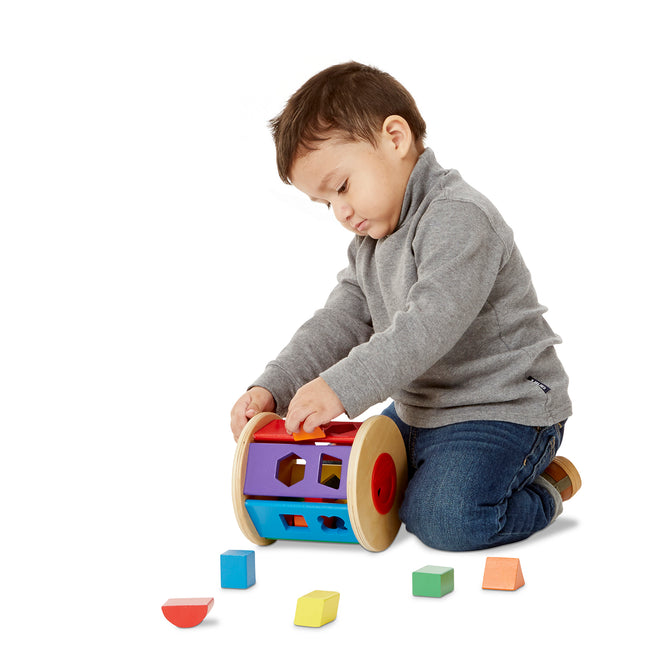
Eye-hand coordination lets children guide their hands while watching what they are doing. It helps them stay on the lines, space letters and words correctly, and control the pencil. Without good coordination, writing can be messy, uneven, or hard to follow.
-
Ball play (rolling, throwing at targets)
-
Bubbles (popping with fingers)
-
Puzzles (simple, chunky pieces)
-
Shape sorters
Sensory & Tactile Play
(Helps children tolerate and control writing tools later)
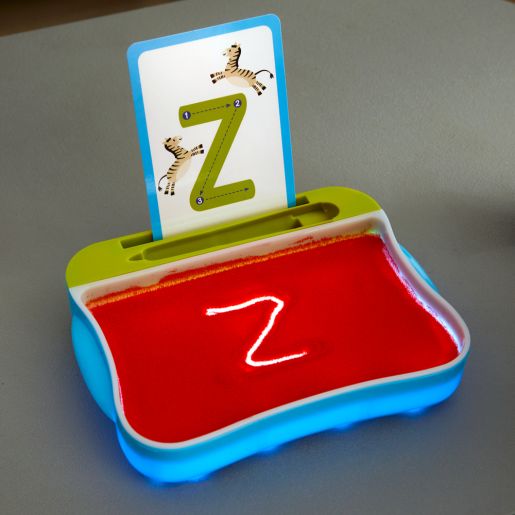
Tactile and sensory play helps children get used to different textures and learn how much pressure to use with their hands. It strengthens fingers and improves hand control, making it easier to hold a pencil and write neatly. Children who explore with their hands also develop confidence and comfort in using tools like crayons, markers, or pencils.
-
Sand and water play
-
Finger painting
-
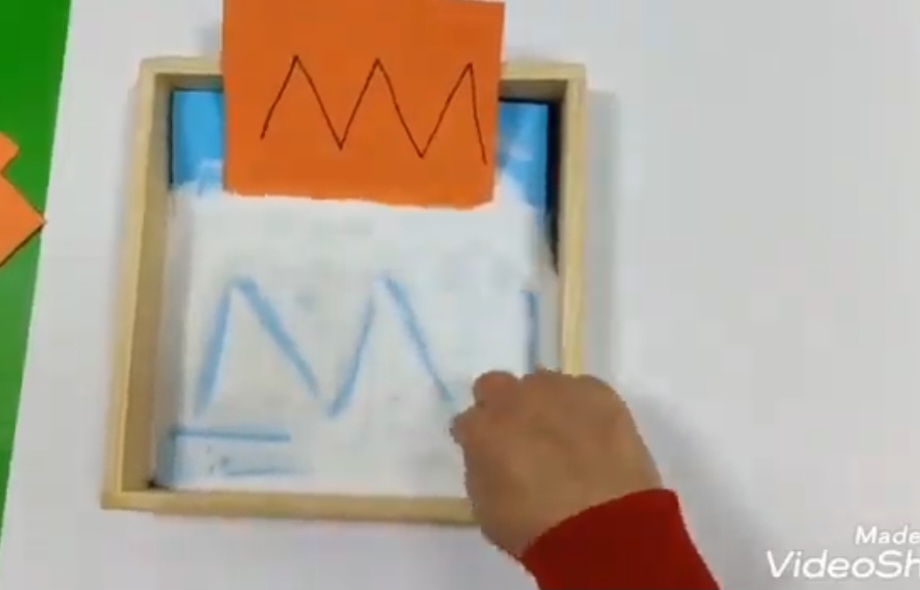
Drawing in shaving foam or rice
-
Messy play with different textures
Early Pre-Writing Movements (Age-Appropriate)
(Focus on movement patterns, not letters)
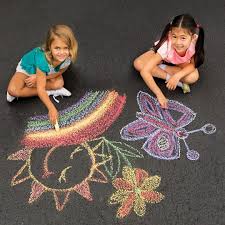
Pre-writing movements, like drawing big circles in the air or tracing shapes, help children practice the arm and hand motions needed for writing. These activities build coordination, strength, and control, making it easier for them to form letters later. Practicing these movements also improves confidence and readiness for actual pencil work.
-
Big arm movements:
-
Drawing circles, lines, and zig-zags in the air
-
Chalk on pavement
-
-
Tracing shapes with finger
-
Painting with large brushes or rollers
If you have enjoyed our tips, please share with your friends and press like, so we know that you are enjoying our Blog. Also, if you need any toys to help prepare your child for writing skills, head onto the shop KinderIntake and benefit from a 10% discount